Patch v1.1 dropped three weeks ago. I have 1,200 hours in NTE. Here is what I actually think — no PR, no sponsorship, no soft-pedaling the parts that need work.
The short version: NTE is the best urban open-world gacha available on PC right now. The pity system alone puts it ahead of every competitor. But it is not perfect, and if you are coming from Genshin expecting a straight upgrade, you will hit some rough edges.
Here is the full breakdown.
What Makes NTE Different From Every Other Gacha in 2026?
One mechanic. That is all it takes to separate NTE from the pack.
Your pity counter carries across banners. The pity carried — and in NTE, that is not just a mechanic, it is a philosophy.
In Genshin, Honkai, and every other gacha I have tested this year, losing your accumulated pity when a banner ends is just part of the deal. You accept it. NTE removes that entirely. Pull 60 times on the current limited banner, get nothing? Those 60 pulls roll over to the next one. You are never starting from zero again.
That single design decision changes the entire risk calculation for F2P players. It is not a small thing. It is the reason I still log in daily after 1,200 hours.
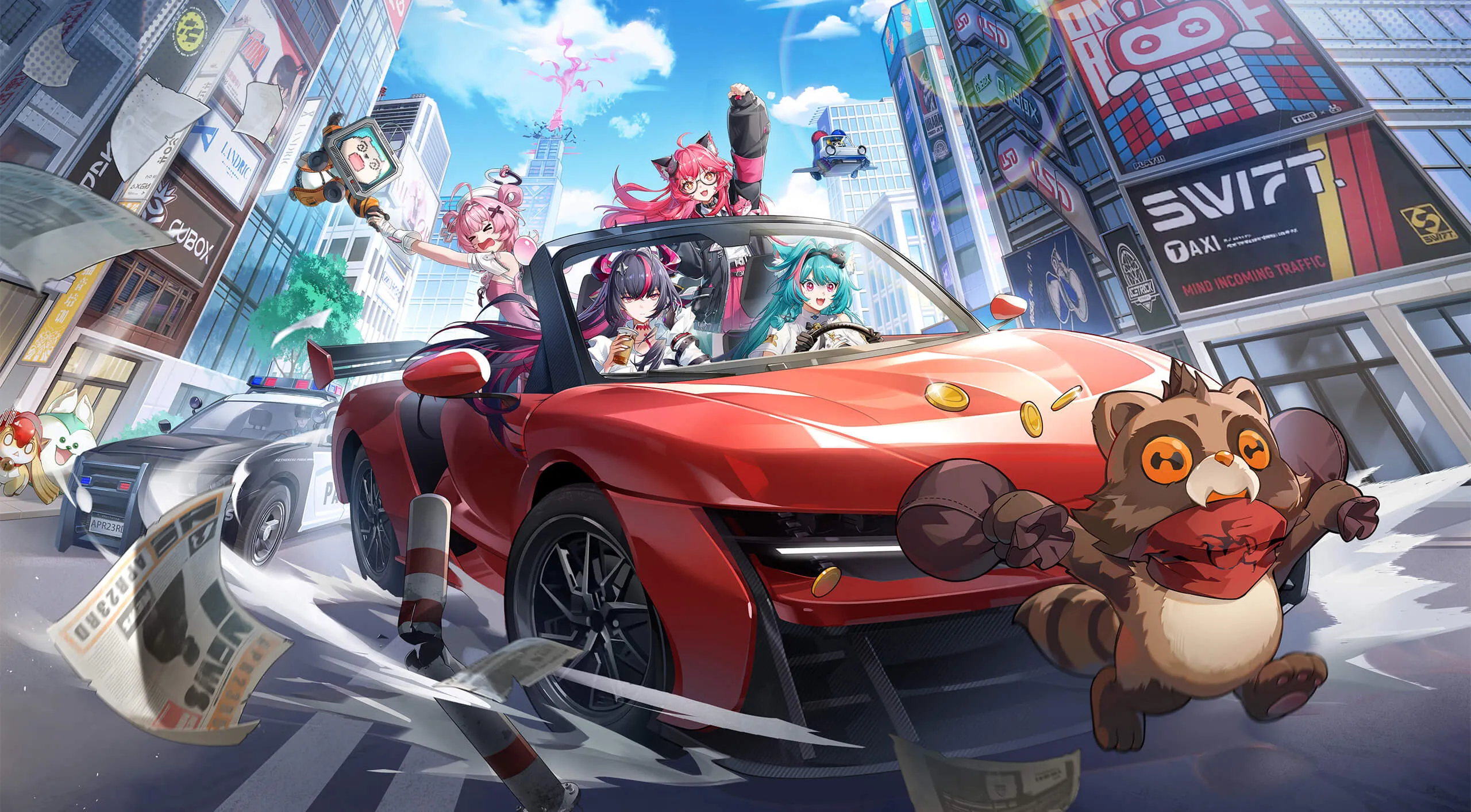
The second differentiator is the setting. NTE drops you into a dense urban open world — think Shanghai mixed with a post-Errant event city that never quite returned to normal. No fantasy forests. No floating islands. Streets, rooftops, underground transit lines, and a skyline you can actually parkour across.
For players burned out on generic gacha landscapes, this hits differently.
How Does NTE Actually Feel to Play? — Combat, Exploration and World Design
Combat is Resonator-based. Each character has an elemental affinity tied to the entropy field mechanic — the game's lore explanation for why the world is broken. In practice, it means elemental reactions, character rotations, and team synergy that rewards studying the meta.
The skill ceiling is real. At endgame content like Abyssal Corridor, button-mashing gets you nowhere. You need to understand your Resonator's interrupt window, your rotation timing, and your team's entropy chain. That depth is earned, not handed to you in the tutorial.
Exploration feels genuinely rewarding. The city map is dense — not wide-open empty like some open-world gachas where you sprint for three minutes to reach the next point of interest. NTE's districts pack content: side quests, hidden entropy caches, platforming sequences, and environmental storytelling that fills the spaces between main story missions.
The parkour system deserves its own mention. Wall-running, grapple points, aerial combos that flow into Resonator abilities. After 1,200 hours I still find new routes across districts I thought I knew.
What needs work: the camera in tight indoor combat spaces fights you. It has improved since launch but it is not fixed. High-speed parkour sequences also trigger occasional framerate dips even on mid-range hardware. Neither issue is game-breaking, but both have been in the bug tracker for three patches now.
Is NTE F2P Friendly? — Gacha Rates, Pity System and Pull Value
| Pull Type | Base Rate | Soft Pity | Hard Pity | Pity Carry |
|---|---|---|---|---|
| Standard banner | 0.6% | 73 pulls | 80 pulls | YES |
| Limited banner (rate-up) | 0.3% featured | 73 pulls | 80 pulls | YES |
The base rate of 0.6% is not exceptional on paper. In practice, soft pity at 73 means you will almost never hit dry streaks past 73 pulls without your odds climbing meaningfully. Most players hit their 5-star between 65 and 80 pulls.
On starting your account: the game gives you 40 to 60 free pulls through exploration, story completion, and the new player missions. That is enough to guarantee at least one 5-star before your first real banner window closes.
NTE is F2P viable. Not F2P easy. Soft pity saved me on three banners this patch alone — but I also watched guildmates hit whale territory chasing a unit they could have waited on. The system protects you. You still have to play smart.
Which Characters Are Worth Pulling Right Now?
My call on the current banner: pull. If the rate-up unit fills a gap in your team, the pity carry makes it a no-brainer risk.
Standard pool 5-stars from a limited banner? Skip every time. You will get them eventually through natural pity accumulation. Burning limited resources on standard units is the oldest banner trap in the game. I have seen too many reroll meta posts end with "pulled on the last multi and got a standard 5-star." Do not be that account.
Off-meta picks are a different conversation — they matter once you are at Endfield rank 50+ with a solid core team already built. Not before.
The current meta favors Resonators with entropy chain multipliers. Check the patch notes — the v1.1 balance pass moved two previously C-tier units into the A-tier conversation. The meta is alive, which keeps the game interesting for long-term players.
How Does NTE Monetization Compare to Genshin and Honkai?
Three systems to compare: pull currency generation, pity design, and the shop.
Pull currency vs Genshin: NTE is more generous week-to-week. Genshin's Primogem income has not meaningfully increased since 2020 despite the game growing. NTE launched with a higher baseline and has maintained it through v1.1.
Pity design vs Honkai Star Rail: HSR's 50/50 system on limited banners with pity carry is competitive. NTE's 0.6% with carry is slightly less rate-efficient but the urban world content generates more free pulls through exploration than HSR's daily loop model.
The shop: Cosmetics, monthly pass at $4.99, and premium packs up to $99. The monthly pass is the only purchase I would call genuinely good value — it doubles your daily pull income for the month. The $99 packs are whale territory. Nothing in the shop is P2W. Endgame content is skill-gated, not wallet-gated.
NTE does not force purchases. It does not drip-feed you content to make waiting unbearable. That alone puts it above most of its competition.
RigGamer Score: NTE Rated 8.2/10 — Breakdown by Criteria
| Criteria | Score | Notes |
|---|---|---|
| Gameplay | 1.7 / 2 | Fluid combat, excellent parkour, some camera issues |
| F2P | 1.8 / 2 | Pity carry is industry-best, generous exploration pulls |
| Monetization | 1.6 / 2 | No P2W, fair pass, cosmetics only in shop |
| Progression | 1.5 / 2 | Solid story, endgame gates require investment |
| Stability | 0.8 / 1 | Stable servers, rare event-day issues |
| Community | 0.8 / 1 | Active Reddit, Discord 200k+, wiki coverage strong |
| Total | 8.2 / 10 |
The 0.2 gap from a perfect F2P score comes from endgame content that rewards invested accounts meaningfully over pure F2P players. It is not P2W — but the gap at Abyssal Corridor max difficulty is real enough to acknowledge honestly.
Should You Start NTE in 2026? — Our Verdict After 1,200 Hours
Yes. With one condition.
Start NTE if you want a gacha that respects your time and your pity counter. The pity carry system is not a gimmick — it fundamentally changes how you plan your pulls, how you budget your free currency, and how you feel about dry streaks. That alone is worth the download.
Do not start NTE if you want a casual, low-commitment gacha. The endgame is demanding. Abyssal Corridor full-stars requires team building, rotation knowledge, and consistent play. If you want to log in for ten minutes a day and feel complete, NTE will frustrate you past the story content.
The urban open world is the best in the genre right now — and I have played every major release this year to say that with confidence. The combat takes three weeks to click properly. Once it does, you will not want to go back to tab-target systems.
RigGamer Verdict — NTE
Score : 8.2 / 10
Best F2P pity system in gacha gaming in 2026. Urban open world that rewards mastery. Honest monetization. Download NTE free and start with 40-60 free pulls.
Play NTE Free on PC →